Incarnational dynamism is the heart of missionary discipleship
In the dark and quiet seasons of Advent and Christmas, our Church instructs us to take a more emphatic look at the great and central mystery of the Incarnation of the Son of God in the person of Jesus of Nazareth.
In the dark and quiet seasons of Advent and Christmas, our Church instructs us to take a more emphatic look at the great and central mystery of the Incarnation of the Son of God in the person of Jesus of Nazareth.
While we often think of this mystery from many different perspectives (doctrinal, sacramental, moral, etc.) I would like to offer a few thoughts on how we could look at this mystery from an evangelical perspective.
The Church views evangelization as “the process by which the Church, moved by the Spirit, proclaims and spreads the Gospel throughout the entire world” (General Directory of Catechesis, 48).
As Christ’s missionary disciples, we proclaim, witness, teach, frequent the sacraments, and love our neighbor all at the same time in order to bring the Gospel into the lives of others.
Therefore, the Catechism of the Catholic Church teaches us: “The Christian faith is not a ‘religion of the book.’ Christianity is a religion of the Word of God, a word which is ‘not a written and mute word, but the Word which is incarnate and living’” (CCC 108, quoting St. Bernard of Clairvaux).
The Word, then, is “living and effective” (cf. Hebrews 4:12), a force that conforms us as individuals, our neighbors by our evangelical efforts, and our communities by extension, more deeply to the Heart of Christ.
Consider a time when you realized something to the effect of “Jesus Christ is the Messiah, the Son of God, and the Lord of my life.”
For the vast majority of us, we did not wake up one day and realize this world-altering truth.
Rather, our relationship with Jesus Christ unfolds gradually over time, and almost always with the assistance of another disciple.
As you ponder your own experience, try to remember the names and faces of people who did their part to teach you the Gospel, both by word and deed.
The Church recognizes a supernatural grace given to humanity, which enables us to be the greatest force of change for our family and friends.
This incarnational dynamism, as the Church calls it, demonstrates that the power to change human hearts does not reside in the written word alone, but in living, breathing human witnesses of Jesus’s salvation.
God knew that we could not love what we did not hear with our ears, see with our eyes, touch with our hands, or even taste with our lips (cf. 1 John 1:1-3).
This does not imply that we human beings do not need Scripture, the Church, sacraments, moral doctrine, or the rest of the vast treasury of grace available.
Rather, when we devote ourselves to Jesus’s transformational, living Presence in all of those gifts, then choose to cooperate with His grace to share them with others, then He is most effective at calling and transforming non-believers into new disciples.
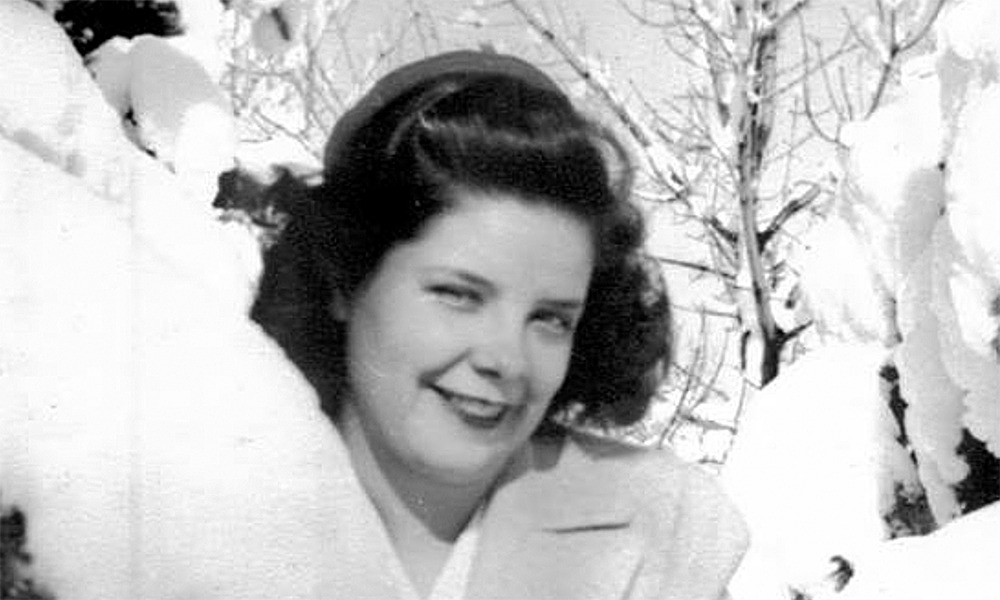
My grandmother, Jeanne Moore, was a prime example of this incarnational dynamism.
Her witness of Christian virtue, the sacraments, and a robust and authentic prayer life broke through the noise and distraction of modern life to orient my heart on Jesus.
She gave me a Bible that I read faithfully. She gave me a Rosary that I still pray with.
But, what lives in my memory and warms my heart are the endless visions of her praying (one eye closed, the other turned upward toward Heaven), her going to the Holy Sacrifice of the Mass at least three times a week, and her coming to our house every Sunday evening, wrapping her slender arm around my shoulders and telling me about Jesus, Mary, and the saints.
She gave a bold, faithful, and authentic witness to Christ that was organic to her living experience and effective in drawing my heart close to God.
In our efforts to evangelize the people of our families, hometowns, schools, and neighborhoods, remember that we are the most important resource the Church has to bring the message of redemption and hope to their lives.
Ask Him in prayer, and God will show you how to be His “living and effective Word” (cf. Hebrews 4:12).
Scripture tells you the story and gives you the meaning, prayer gives you the relationship with the Master, the sacraments are the divine encounters and give you the graces, the Church is your home, pastoral support, and authoritative reference point.
But, you have to be the one who decides to take a risk and share with others everything the living Christ has invested in you.