AI, humanity, and the Church
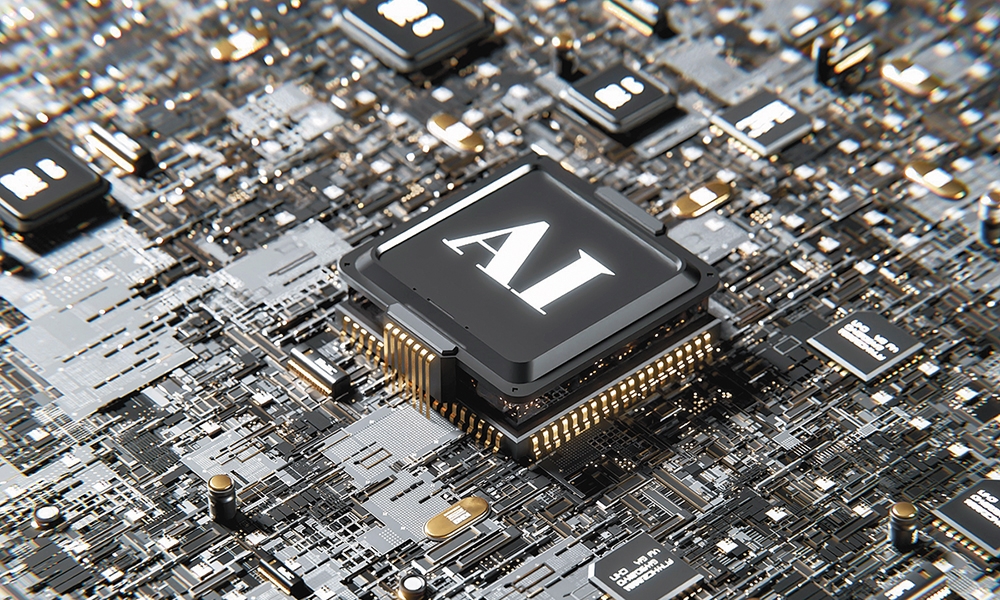
On May 25, Pope Leo XIV issued his first encyclical, Magnifica Humanitas, which principally comments on both the positive possibilities and inherent dangers of artificial intelligence (AI).
AI is a significant technological advance that has far-reaching implications for every aspect of human society, from politics to economics, from personal relationships to the social order.
Because of its transformative influence and unknown power, AI is a logical concern of the Catholic Church, because the Church always lifts up the priority of human dignity, the common good, and solidarity as the basis of a just and compassionate society, and is always reading the signs of the times in light of the Gospel
Embracing human identity
The human person can never be just the means to an end, whether that end is political, economic, or cultural.
Every aspect of society and every technological development is to serve the flourishing of every individual, as created in the image and likeness of God.
Pope Leo upholds the importance of relationality as intrinsic to our human identity.
In the relationships of marriage, family, work, school, friendship, and free association, people grow in their ability to know, love, serve, and receive.
In the mystery of the Most Blessed Trinity, God Himself evidences relationality as inherent to His very being.
Authentic human development, then, can only advance when society protects both the rights and responsibilities of every person, with special attention given to the right to life, nutrition, housing, education, work, and social participation.
Convergent with these rights are responsibilities to contribute to the common good, share resources, and build a compassionate and just world.
We clearly see this vision as an intrinsic part of the Gospel message when Jesus calls us to love and serve one another and to put into practice the Beatitudes as the way to live in discipleship and communion with God and one another.
Pope Leo refers to his predecessor, Pope Leo XIII, who issued his own encyclical, Rerum Novarum, in 1891, in response to the Industrial Revolution.
There, Pope Leo XIII spoke about the material benefits of industrialization, but also the dangers of families living in slums, workers laboring in subhuman conditions, and people receiving unjustly low wages.
Material and technological progress should benefit everyone, especially those who are poor and marginalized, and contribute to human flourishing.
Keeping the value in people
The concerns of both Pope Leo XIII and Pope Leo XIV, living in very different historical eras, are essentially the same.
Technology, material goods, and the political, economic, and social order are tools for potential good and social progress, but must always serve the absolute value of people, especially the most vulnerable and poorest among us, for social and spiritual benefit.
When the human being ends up enslaved to the machine, the state, the economy, social media, or artificial intelligence, our humanity, dignity, and identity as children of God are at risk.
Pope Leo XIV articulates this truth well in the following quotation from Magnifica Humanitas:
“Artificial intelligences do not undergo experiences, do not possess a body, do not feel joy or pain, do not mature through relationships, and do not know from within what love, work, friendship, or responsibility mean. Nor do they have a moral conscience, since they do not judge good and evil, grasp the ultimate meaning of situations, or bear responsibility for consequences. They may imitate or even simulate, but they do not understand what they produce, for they lack the affective, relational, and spiritual perspective through which human beings grow in wisdom” (MH 99).
I encourage everyone to read the pope’s encyclical with attention and prayer.
In a world of increasing dehumanization, virtual reality (or unreality), social isolation, political fracture, global violence, and new technologies, the Church will always stand for the dignity, integrity, and identity of the human person, made in the image and likeness of God, purchased with the Precious Blood of Jesus Christ, and sanctified in the Holy Spirit.
Pope Leo is exhorting us not to lose our humanity amidst the swirl of this brave new world we find ourselves in.